
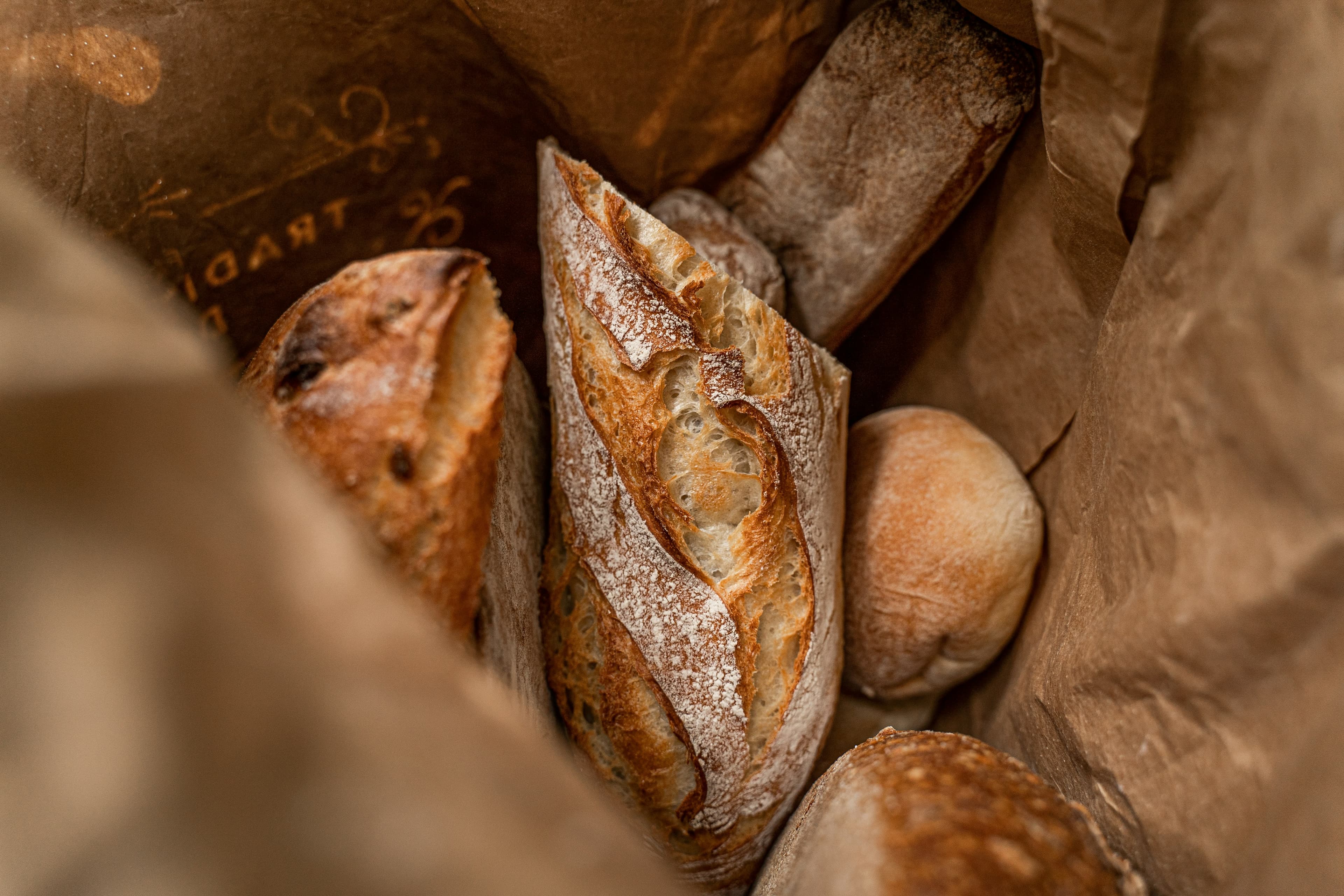
There is nothing better than a loaf of fresh bread — that crispy crust, the soft and fluffy inside, the smell alone. But within a day or two, it is rock hard, stale, or worse: moldy. Sound familiar?
The good news: keeping fresh bread fresh longer is mostly about avoiding a handful of very common mistakes. In this guide we walk you through exactly what goes wrong and what to do instead — whether you are storing sourdough, a classic white loaf, a baguette, or any artisan bread from your local bakery.
Why Does Fresh Bread Go Stale So Fast?
Before we get into the mistakes, it helps to understand what actually happens when bread goes stale. Staling is not just about moisture loss — it is a process called retrogradation, where starch molecules in the bread recrystallize over time. This is what makes bread feel hard and dry, even when it has not technically lost much water.
This process happens fastest at temperatures between 0°C and 10°C — which is exactly the temperature inside your refrigerator. More on that in a moment.
Mistake #1: Storing Bread in the Refrigerator
This is the most common bread storage mistake, and it makes your bread go stale faster, not slower. The fridge sits right in that danger zone where retrogradation accelerates. A loaf that would stay fresh for two days on your counter might feel stale after just one day in the fridge.
What to do instead: Store bread at room temperature, in a cool and dry spot away from direct sunlight. A bread box or a wooden drawer works well. Aim for somewhere around 18–22°C.
The only exception: if you live somewhere very warm and humid, refrigeration might be necessary to prevent mold. In that case, slice your bread first and warm each slice briefly before eating — toasting it will reverse most of the staling.
Mistake #2: Leaving Bread Uncovered (or Wrapping it in Plastic)
Two opposite mistakes, and both cause problems.
Leaving bread completely uncovered lets moisture escape quickly, leaving you with a dry and hard loaf within hours — especially for soft sandwich breads and dinner rolls.
Wrapping bread tightly in plastic solves the moisture problem but creates another one: trapped moisture softens the crust completely, and in warmer kitchens it can encourage mold growth.
What to do instead:
- For crusty bread (sourdough, baguette, artisan loaves): wrap loosely in a clean linen or cotton bread bag, or simply place it cut-side down on a cutting board. The crust stays crisp, the inside stays moist.
- For soft bread (sandwich loaves, brioche, milk bread): a sealed plastic bag or airtight container at room temperature is fine for up to 2–3 days.
Mistake #3: Not Freezing Bread When You Should
Most people either never freeze their bread or freeze it too late — when it is already stale. Freezing works incredibly well for bread, but timing matters.
Freeze bread when it is still at peak freshness, not when you are trying to rescue it. Bread freezes best within the first day after baking or purchase.
How to freeze bread properly:
- Slice the loaf before freezing so you can take out only what you need.
- Wrap individual slices or portions in plastic wrap or parchment paper.
- Place in a freezer bag, press out the air, and seal tightly.
- Label with the date — frozen bread is best used within 3 months. To thaw: leave slices at room temperature for 30–60 minutes, or pop them straight into the toaster from frozen. A full loaf can be reheated in the oven at 180°C for 10–15 minutes to bring back that fresh-baked quality.
Mistake #4: Storing Bread Near Heat or Sunlight
A warm kitchen is cozy, but the area near your oven, stovetop, or a sunny windowsill is one of the worst places to store bread. Heat accelerates mold growth and speeds up moisture loss. Direct sunlight does the same.
What to do instead: Keep bread in a cool, dark, well-ventilated spot. A bread box is ideal because it maintains a stable microclimate — not too dry, not too humid — that slows both staling and mold. If you do not have a bread box, a cupboard away from the oven works well.
Mistake #5: Cutting Bread the Wrong Way
This one surprises people. How you cut and store a loaf after the first slice makes a real difference.
Cutting from the middle and leaving both ends exposed dries out the bread much faster. The exposed crumb (the soft inside) loses moisture quickly once it is cut.
What to do instead: Always cut from one end and store the loaf cut-side down on a flat surface, or press the cut end against a bread bag. This creates a natural seal using the crust and slows down moisture loss significantly.
For round sourdough loaves, cutting from the middle is sometimes unavoidable — in that case, press the two cut halves together and secure with a rubber band or store in a bag.
How Long Does Fresh Bread Actually Last?
Here is a general guide for properly stored bread:
- Sourdough / artisan loaf | 3–5 days | Up to 3 months
- Baguette | 1–2 days | Up to 1 month
- Sandwich / soft bread | 3–5 days | Up to 3 months
- Brioche / enriched bread | 2–4 days | Up to 2 months
- Rolls and buns | 1–3 days | Up to 2 months
These numbers assume proper storage. Bad storage can cut those times in half.
The Short Version
Store crusty bread at room temperature in a cloth bag, cut-side down. Store soft bread in an airtight bag at room temperature. Never rely on the fridge. Freeze early if you know you will not finish the loaf in time. Keep bread away from heat and sunlight.
Fresh bread from a good bakery deserves to be enjoyed at its best — and with the right storage habits, it will be.
Looking for fresh artisan bread baked daily? Visit us in store or order online — we bake everything from scratch, every morning.